Past Project — Project 01
Rooiboklaagte Introduction to Arts and Crafts
— Rooiboklaagte, Mpumalanga
Kulani's first community training programme opened practical pathways into art, making and further craft development.
Rooiboklaagte Introduction to Arts and Crafts
NEEDS HEADLINE
Hosted from the Mapusha Weavers studio at New Dawn Centre, this six-week introductory programme gave local participants the opportunity to explore several creative disciplines in a supportive community setting. The programme combined practical learning, community contribution and recognition of each participant’s achievement. It became an early foundation for Kulani’s longer-term approach to training, mentorship and market access.
- 30
- Recorded graduates
- 6
- Core craft disciplines
- 6mth
- Training period
- 2022
- Programme year
The Story
Starting with what was available and building from there.
Kulani worked with Mapusha Weavers, Rekamuka Pottery Studio and local creative facilitators to create an accessible introduction to art and craft for community participants. The programme included art, pottery, sewing, macrame, crochet and knitting. After the introductory phase, selected participants were given the opportunity to begin learning weaving alongside Mapusha Weavers. Participants also made knitted and crocheted beanies for premature babies at the local hospital. Sponsors paid for the makers’ labour, allowing the women to earn an income while the finished beanies were donated to new mothers. The programme concluded with certificates, a shared meal and a celebration of the participants’ work.
The Makers
People and Partners.
The programme was delivered through local knowledge, shared facilities and practical teaching.
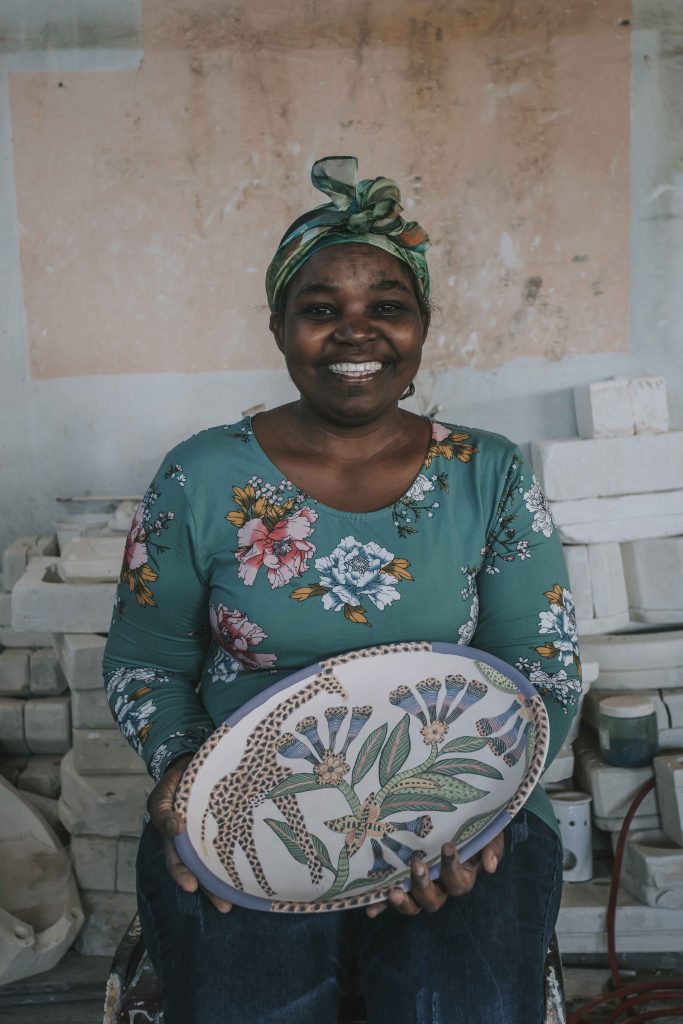
Host and Weaving Partner
Mapusha Weavers
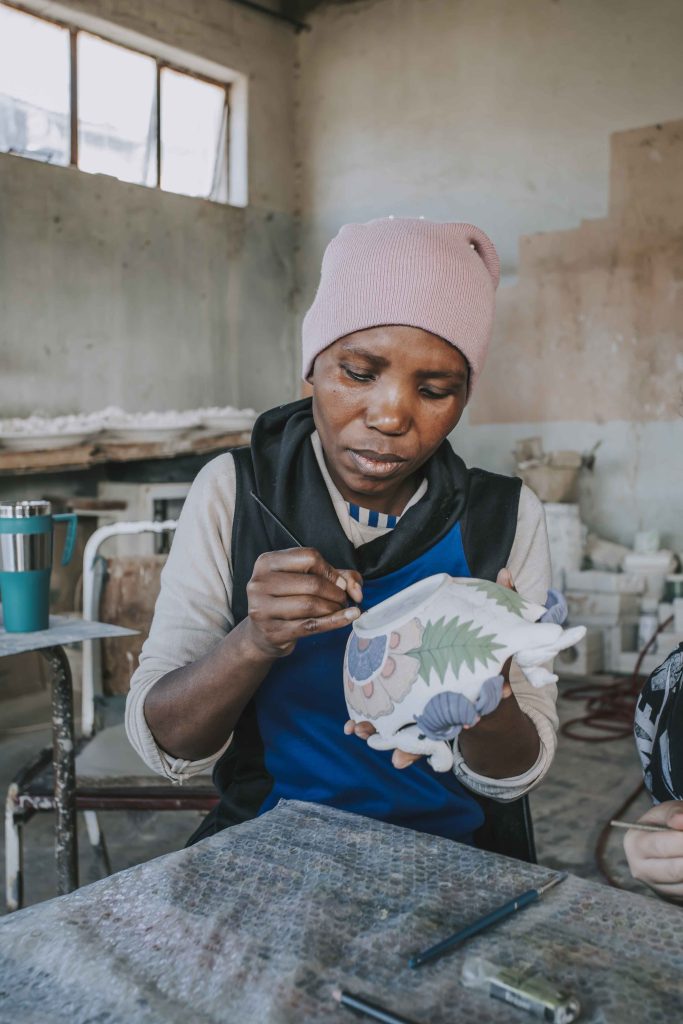
Pottery Partner
Rekamuka Pottery Studio
Programme Coordination
Kulani Collective
Every artisan name & portrait shown publicly is used with written consent.
Goals
What the project set out to achieve.
- iIntroduce participants to a practical range of arts and crafts.
- iiHelp participants identify the disciplines they wanted to develop further.
- iiiBuild confidence through hands-on learning and completed work.
- ivCreate a pathway into weaving and established artisan networks.
- vRecognise achievement through certificates and celebration.
- viUse craft to meet a community need without asking makers to work without pay.
Impact
What the work has put in place or achieved to date.
- iA six-week community training programme was completed.
- iiParticipants gained first-hand exposure to six different creative disciplines.
- iiiArt, pottery, sewing and fibre-craft facilitators worked within one shared programme.
- ivSelected participants progressed from introductory training towards weaving.
- vMakers were paid to produce beanies that were donated to premature babies.
- viParticipants completed the programme with certificates and a community celebration.
Traceability & Transparency
The foundations of a maker-centred approach.
This early project pre-dated Kulani's current digital traceability system, but the principle was already present: the maker, process and place mattered.
Archive photographs, certificates and product stories can now reconnect the work to the people who took part, provided that names and images are used with consent.

Traceability Stamp
Archive project. Traceability should use confirmed participant records, dates, photographs and facilitator credits.
Keep Exploring
Related projects.
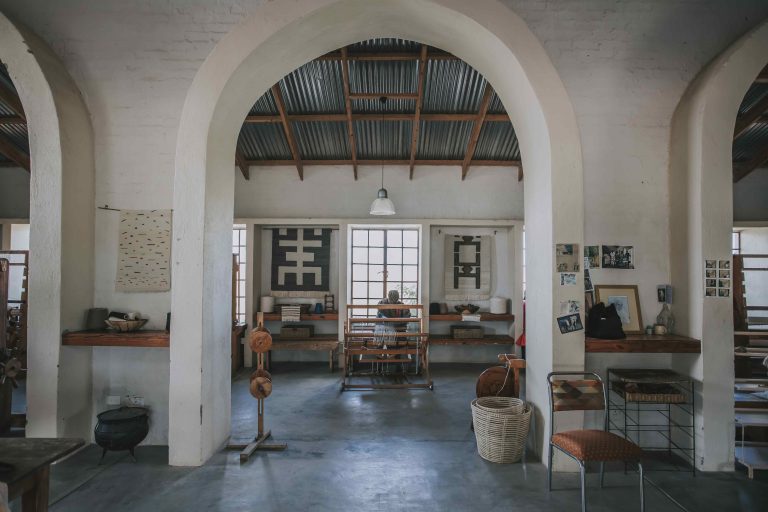
— Project 01
BUSHBUCKRIDGE, MPUMALANGA
Bohlabela Arts Hub
A craft training hub offering mentorship in weaving, leatherwork, and ceramics over two-year cycles.
Explore the project →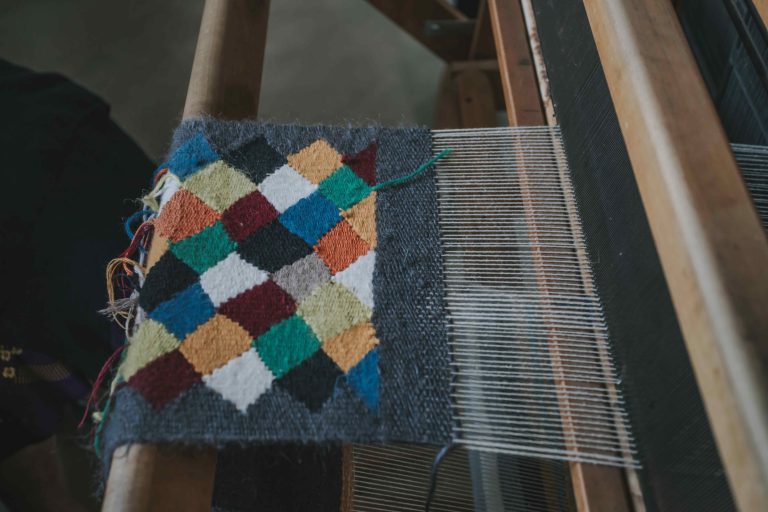
— Project 02
RURAL LIMPOPO
Vugimamusi Weavers
Twelve women turning hand-walked sisal into rugs, baskets, and woven sculpture rooted in generations of practice.
Explore the project →Walk with this project